The climate crisis continues to worsen, its latest manifestation being the floods in Pakistan. Record shattering rainfall has inundated large swathes of the country, most of them rural areas. Crops destroyed, homes perished and thousands either displaced or dead. In its wake, broadly speaking, two strands of thought have as usual emerged. The first being the usual techno-bureaucratic group that confidently asserts that the floods are an issue that have arisen primarily due to faulty urban planning models. According to them, a few adjustments here and there in major urban centers and agricultural canals can help to mitigate the severity of this aquatic problem. In their pitch they may also pay lip service to the problem of climate change, that is, they will say things along the lines of we should move towards a green economy, more electric vehicles, less carbon dioxide emissions, and with those enforced we can carry on merrily with our everyday lives, in all its consumer glory. The second strand sees the destruction wrought by the floods as Divine Retribution, for our sins. Particularly, they will say that certain moral excesses were allegedly prevalent in some of the affected rural areas. Yet in their attribution of Divine chastisement, urbanised educated folk are conveniently nowhere to be found. It is as if the alleged moral excess committed by the rural person outweighs the innumerable excesses committed by the upper echelons of city folk. Both strands are demonstrative of the common affliction of modern man, which is the hyper compartmentalisation of all facets of human life. Tang nazri. To only look at particulars and fail to grasp the universal. In the case of the floods, the failure to identify our collective style of living as the sole culprit. We want the fruits of constantly plundering and looting the Earth, and when our greed results in catastrophe, we refuse to see ourselves as the problem. Essentially, we do not want the fun to end. Despite the fact that the fun is killing us, both physically and spiritually. Corporations continue to play about with our bodies and appetites. Coercing us to buy products at the cost of any semblance of mental peace, via their invasive and flashy advertisements. The educational business complex continues to reduce human beings to A*s and GPAs, its “best” mere faces on a banner to fuel their recruitment drives. Finally, the job market snuffs out the remaining flickers of man’s Divine Spark. He is viewed as nothing more than a calculating machine composed of meat and bones, fated to slave away, enriching the investor at his expense. An absolute disdain for the human spirit, the ruh, permeates the world, Pakistan is no exception. Our lives are for the most part profane, with the fragments of the sacred mostly hidden out of view. Thus, to view the flood situation as a problem with a quick technical fix, or as an Azaab, that has arisen due to possible moral transgressions of the rural folk is overly simplistic to say the least. The Azaab hypothesis is especially hilarious. Since it is all too often laconically invoked by the religious urbanised educated elite. This very class, similar to their secular counterparts, is so entranced by the notion of capitalistic progress, that it refuses to acknowledge how its collective greed for wealth and status is disrupting the natural environment. Regardless of the faux attempts of Islamizing this objectively materialist mode of living, the results remain the same, catastrophe, floods. This is a glimpse of the ongoing global climate catastrophe that has been thrust upon the planet by our magnanimous corporate overlords. In their lust for taraqqi, they have conjured up a wide array of monstrosities, visible for everyone to see along the Lahore motorway. The true Azaab is the fixation of one’s gaze on the material, and assuming man to be a mere amalgam of atoms whose sole purpose is to gather and consume. Afsos, that this mode of thinking has been internalised so faithfully by the Mussalmans.
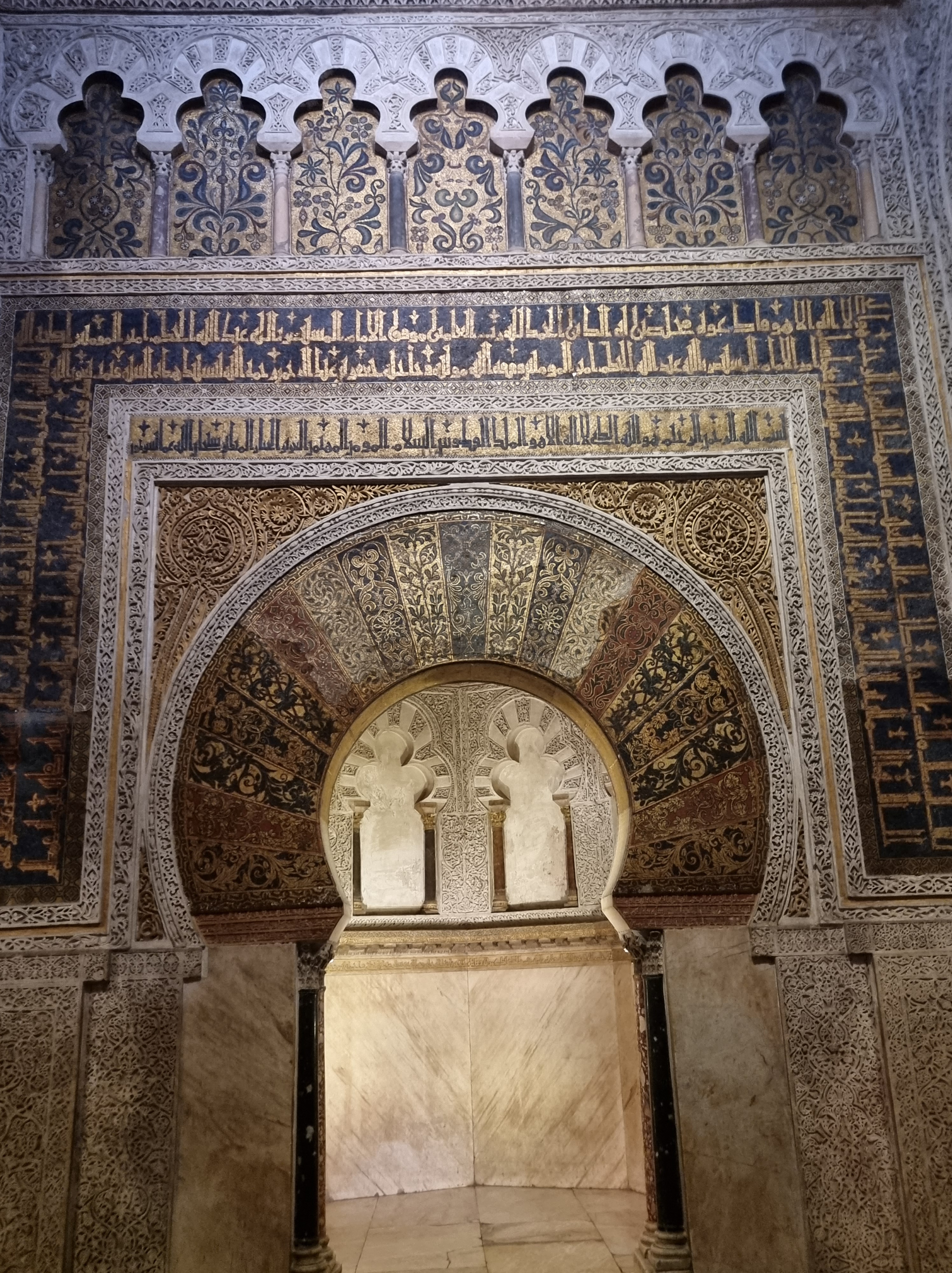
 Afkar-e-Qurtuba